
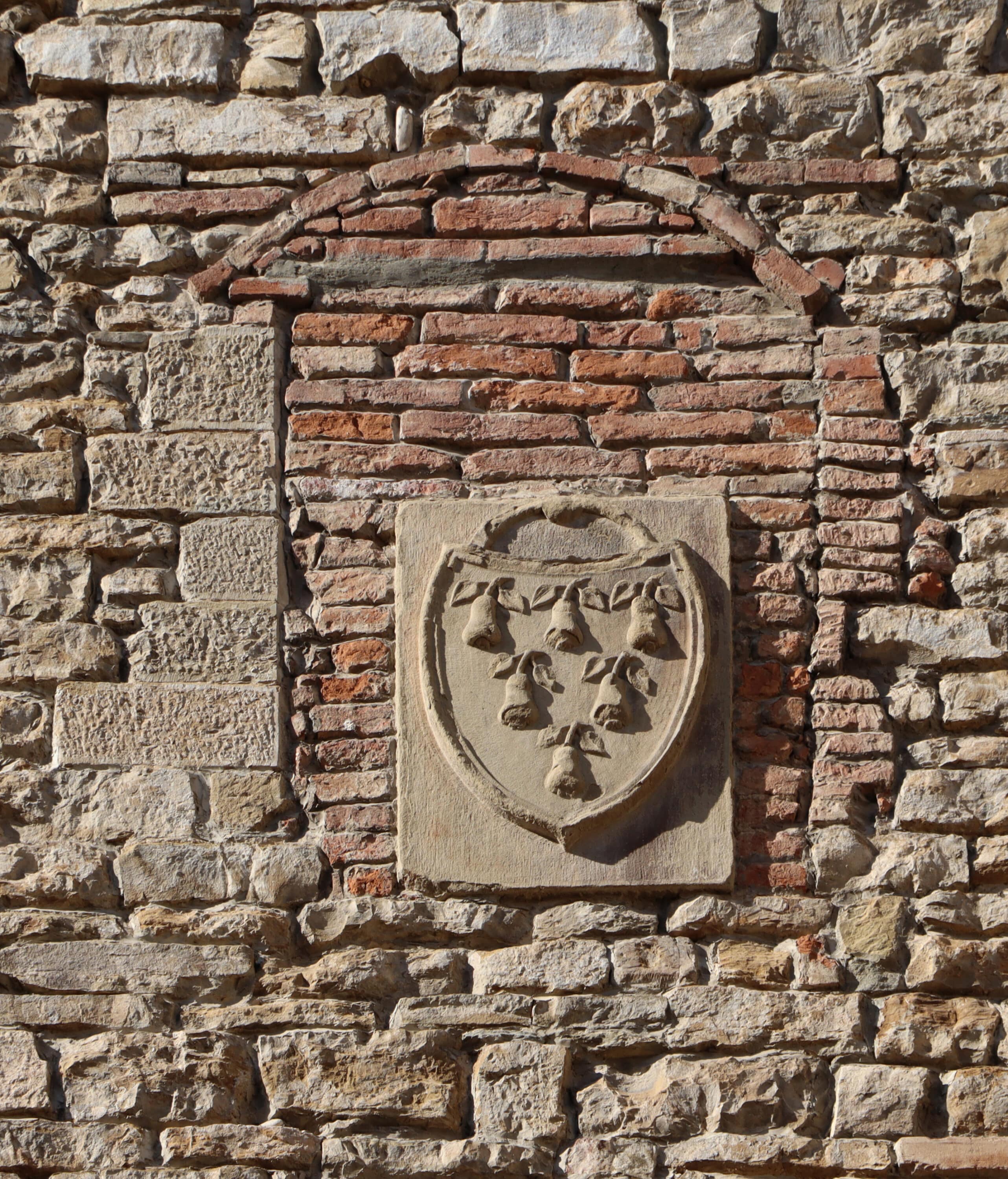
Power, Collapse, and the Financial Genius That Changed Europe
Long before Florence became synonymous with art and beauty, it was a city defined by money, risk, and financial innovation. Behind its churches and palaces operated a sophisticated banking system that connected Europe’s courts, papacy, and trade routes. Yet this system was born not only of success, but of spectacular failure. At the heart of this story lies the financial collapse of 1346, when two of Florence’s most powerful families — the Bardi and the Peruzzi — saw their vast banking empires crumble, reshaping the city’s economy and paving the way for a new financial order.
Florence Before the Fall: Europe’s Financial Capital
By the early 14th century, Florence was the banking capital of Europe. Florentine bankers financed kings, popes, and merchants, operating international networks that stretched from London to Naples, from Paris to the eastern Mediterranean. The Bardi and Peruzzi families stood at the pinnacle of this system. Their banks managed royal debts, handled international transfers, and facilitated trade through letters of credit — an innovation that reduced the need to transport physical gold across dangerous routes. Florence’s wealth was not accidental. It was built on trust, reputation, and financial sophistication unmatched elsewhere in medieval Europe.
The Power of the Florin: Gold as Global Language
Central to Florentine banking success was the florin d’oro, introduced in 1252. Struck in pure gold and remarkably consistent in weight and quality, the florin quickly became the most trusted currency in Europe. Merchants, rulers, and institutions accepted the florin without hesitation. It functioned as a global financial language, enabling Florence to dominate international commerce. The strength of the florin reinforced the authority of Florentine banks — and encouraged increasingly ambitious lending.
The Collapse of 1346: When Kings Defaulted
The system unraveled dramatically in 1346, when King Edward III of England defaulted on enormous loans owed to Florentine bankers, particularly the Bardi and Peruzzi. These loans had financed England’s military campaigns, including the early phases of the Hundred Years’ War. When repayment failed, the consequences were catastrophic. The Bardi and Peruzzi banks collapsed under the weight of unpaid debts, triggering a financial crisis that rippled across Florence. Fortunes vanished overnight. Confidence collapsed. Entire families lost political influence, property, and prestige. This was one of the first major international banking crises in European history — and Florence paid the price.
Consequences for the City and Its Society
The collapse reshaped Florence’s social and political landscape. Trust in large banking houses diminished, and financial caution replaced reckless expansion. Yet Florence did not retreat from banking. Instead, it learned. The crisis exposed the dangers of overexposure to sovereign debt and concentrated risk — lessons that would deeply influence the next generation of bankers. Out of failure emerged refinement, discipline, and innovation.
The Medici Solution: Banking Reinvented
In the 15th century, the Medici family transformed Florentine banking by doing what their predecessors had not: limiting risk through structure. The Banco Mediceo was not a single centralized institution, but a network of semi-independent branches operating across Europe. Each branch maintained its own accounts, reducing the danger of total collapse. The Medici also shifted focus away from royal loans toward merchant banking, currency exchange, and papal finance, creating a more balanced and resilient system. Their approach combined financial genius with political intelligence — ensuring not only wealth, but long-term power.
Banking, Power, and Patronage
The success of Medici banking funded far more than commerce. It financed art, architecture, and cultural prestige, transforming Florence into the Renaissance capital we recognize today. Churches, chapels, and palaces rose from banking profits. Artists flourished under Medici patronage. Money became culture — and banking became destiny. The lessons of the Bardi and Peruzzi collapse were not forgotten; they were integrated into a more sustainable vision of power.
Santa Croce and the Memory of the Bankers
The story of Florence’s bankers is written into the city itself — nowhere more visibly than in Santa Croce, where many merchant families asserted their legacy through chapels, tombs, and commissions. Walking through Santa Croce today, one encounters not only artists and thinkers, but the silent presence of financiers who shaped Florence’s rise, fall, and rebirth. Their successes built empires. Their failures reshaped history.
Why This Story Matters Today
The collapse of 1346 feels strikingly modern. It reminds us that financial systems are built on confidence, that innovation carries risk, and that resilience comes from learning — not retreating. Florence’s genius was not in avoiding failure, but in transforming it into progress. For travelers exploring Florence through a private guided experience, this financial history adds depth to every palace and piazza. Behind the beauty lies a city that mastered not only art, but the architecture of money. And it is in this balance — between risk and vision, loss and reinvention — that Florence truly became eternal.